Host a Peace Circle
YOUR VOICE. YOUR COMMUNITY. YOUR PEACE.
Bring people together, listen to different perspectives, and turn one conversation into an action for peace.
What is a Peace Circle?
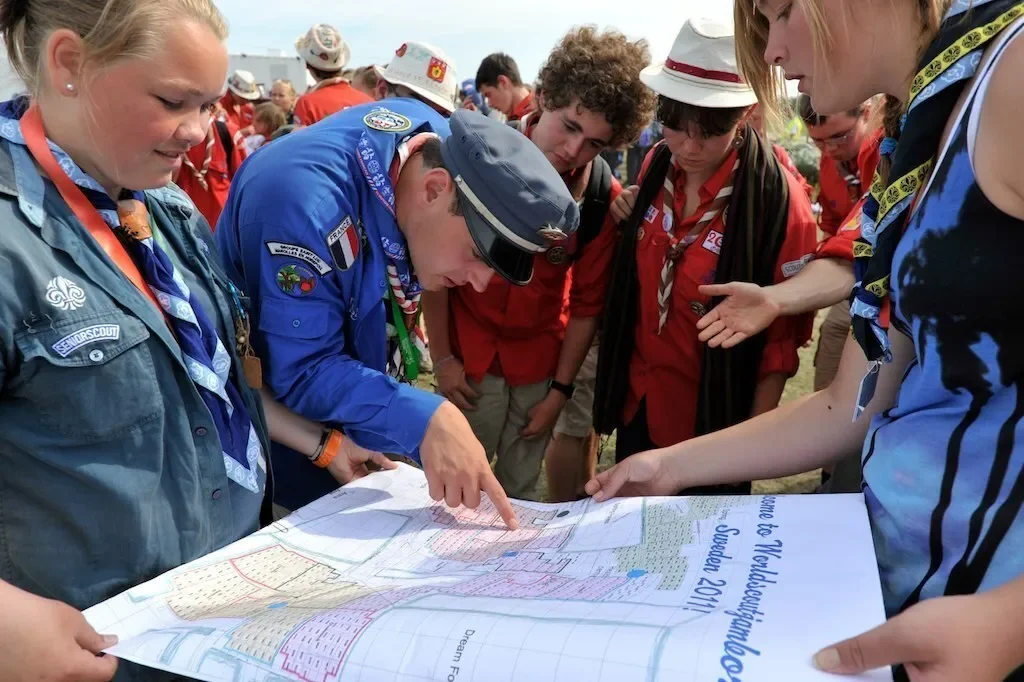
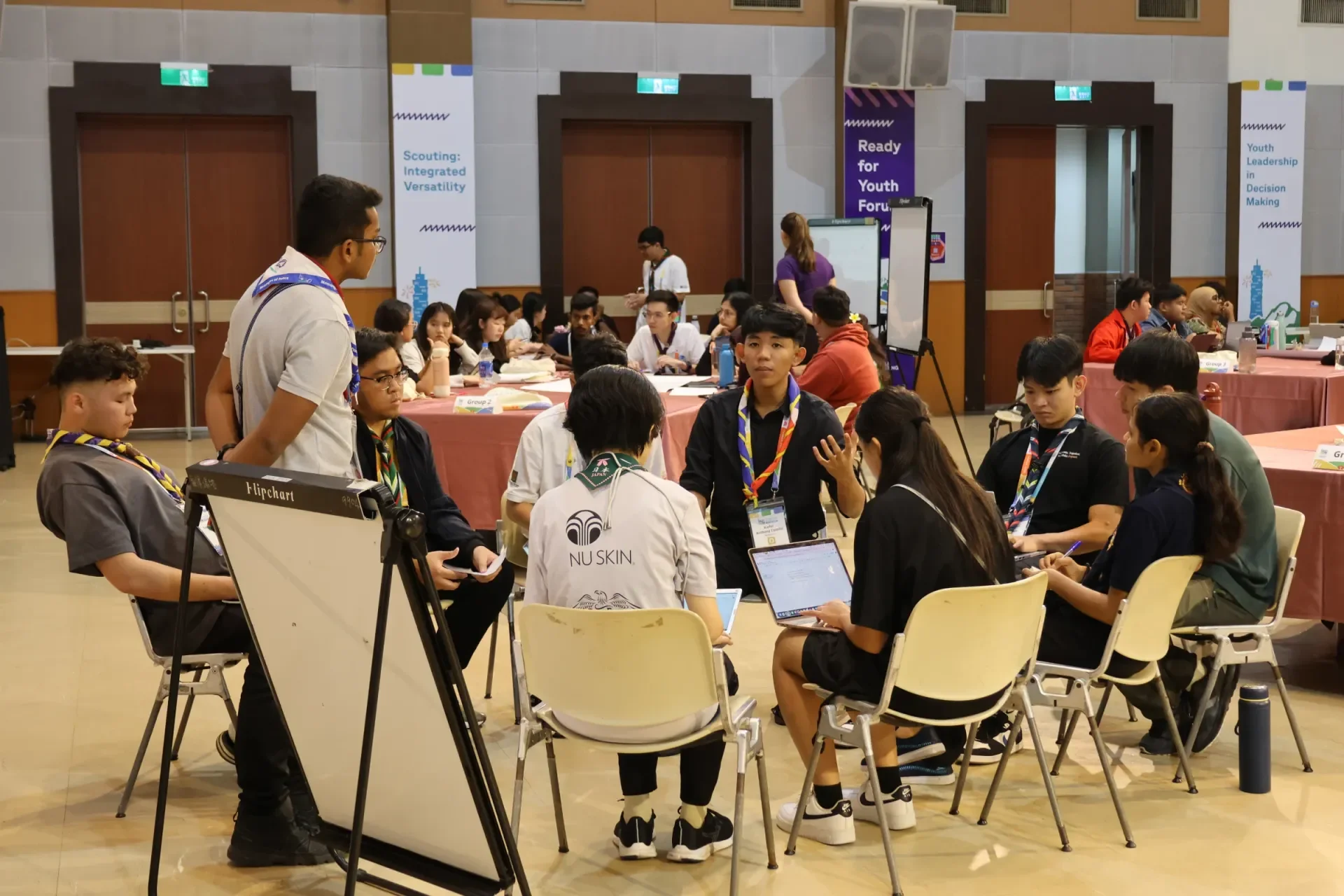
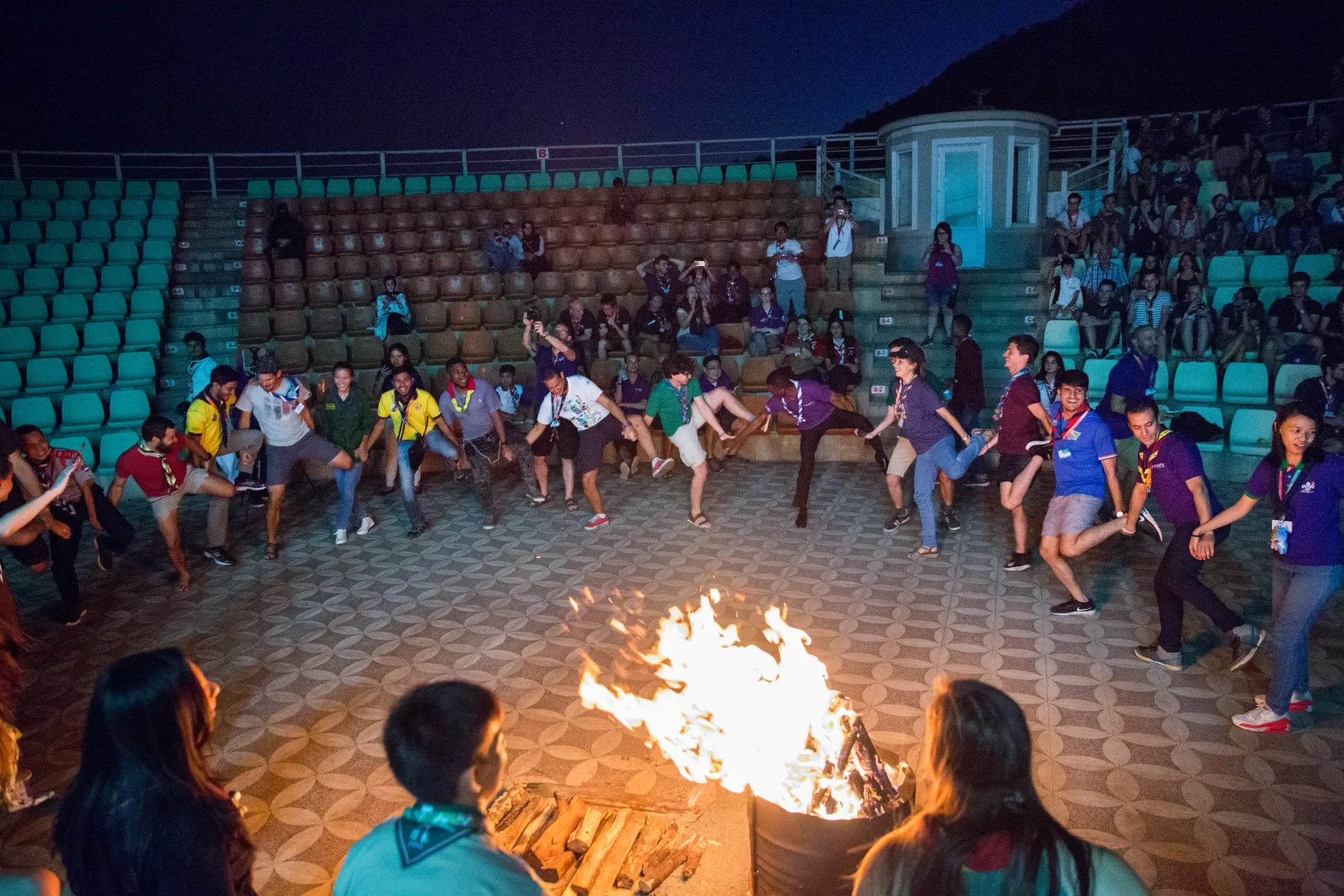
A Peace Circle is a friendly, youth-led conversation where people share what peace means to them, explore challenges in their community, and imagine solutions together. It is not a debate, a test or a formal meeting. You can host one with friends, family, fellow Scouts or neighbours—around a table, at a Scout meeting, outdoors or online.
For JOTA-JOTI 2026, this activity connects our theme, A Peaceful and Inclusive World, with the United Nations’ Hear Us. Act Now for a Peaceful World campaign and its Peace Circle approach. The UN campaign champions young people as partners in building peace. We invite Scouts to bring this spirit into their own communities and share their ideas on the JOTA-JOTI Peace Wall.
Your Peace Circle mission
- Gather a small group and choose one peace question.
- Listen to everyone’s ideas and explore different perspectives.
- Agree on one realistic action your group can take.
- Share your discoveries and action on the JOTA-JOTI Peace Wall (Padlet).
Plan your Peace Circle
Suggested time: 45–60 minutes (or longer if your group wants). Suggested group: 4–10 people, but adapt to your situation. Invite people of different ages and experiences where possible; make sure young people have space to lead. You need only a comfortable meeting place, one question, and a way to record ideas (paper or phone). An adult leader can support younger hosts when needed.
1. Bring your people together (before you start)
2. Choose your question (5 minutes)
3. Welcome everyone (5 minutes)
4. Agree on how to talk together (5 minutes)
5. Explore the question (20–25 minutes)
6. Choose one action (10 minutes)
7. Close the circle (5 minutes)
8. Share it on the Peace Wall (10 minutes)
How might we make everyone feel welcome and included in our Scout group or community?
How might we respond when someone is excluded, bullied or treated unfairly?
How might we help people with different opinions listen to one another?
How might we use social media to build understanding instead of division?
How might we help young people lead positive change in our community?
How might we make our schools or communities better places to resolve conflict peacefully?
After your conversation, one person from your group should create a Padlet post. Your post represents the group’s shared learning, not private details about individual participants.
Title of our Peace Circle
Give your circle a short name, e.g. “Everyone Belongs”.
Country or community
Share your country or general community only; no street addresses.
Who joined?
Say how many people participated and broadly who they were (e.g. 6 Scouts and 2 family members).
Our peace question
Copy the “How might we…?” question your group discussed.
What we discovered
Write 2–3 sentences about the most important ideas or different perspectives you heard.
Our action for peace
Describe ONE concrete action you agreed on, who will help and when you hope to do it.
Our message to the world
Write one hopeful sentence to inspire other Scouts.
Photo or drawing (optional)
Upload a drawing, a picture of your ideas or a group photo with permission. Avoid names or identifying information.
Country:
Who joined:
Our peace question:
What we discovered:
Our action for peace:
Our message to the world:
Optional image:
After posting, look at the ideas shared by Scouts in other communities. What challenges do you have in common? What solutions could work where you live? Leave a respectful, encouraging comment on another group’s idea.
You can host this JOTA-JOTI activity using the instructions on this page alone. If you would like to explore the original UN methodology or organise a more formal Peace Circle, these resources offer more detail:
United Nations — Hear Us. Act Now for a Peaceful World: https://www.un.org/en/peace-and-security/hear-us
UN Activist Toolkit: A Host’s Guide to Peace Circles (provided with this activity; includes additional themes, facilitation guidance and the original campaign’s reporting process).
UN campaign hashtag: #ActNowForPeace
Note for organisers: The toolkit describes a September 2025–September 2026 campaign and includes host/participant surveys and media uploads. The JOTA-JOTI Padlet is a separate activity wall; do not suggest its posts are automatically submitted to UN campaign reporting. Confirm any formal partnership wording and current UN submission arrangements before publishing.